 Shop
Shop
-1.png)
eStoreRx™
Online Supplement Dispensary
eStoreRx™ is an easy direct-to-patient ordering & fulfilment program for lifelong wellness.
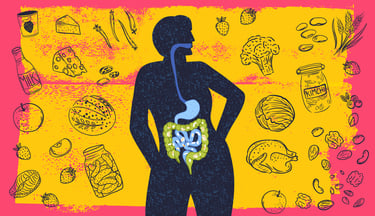
A recent (2025) review published in Applied and Environmental Microbiology provides an excellent summary of the effects of lead exposure on the gastrointestinal tract, including adverse impacts on microbial ecology and host metabolism, which promote systemic toxicity. It also reviews interventions that partially mitigate this harm. It’s worth reviewing the prevalence and consequences of lead toxicity, as well as the GI-associated harms and possible interventions. In 2018, Lancet Public Health published an estimate of the number of deaths in the United States that can be attributed to lead toxicity using NHANES data. Over 14,000 adults were included in this representative population, and after a mean follow-up of over 19 years, a 37% increase in all-cause mortality was observed between the 10th and 90th percentiles of blood lead concentrations (corresponding to 1.0 μg/dL vs. 6.7 μg/dL). Additionally, a 70% increase in cardiovascular disease mortality and a 108% increase in ischemic heart disease were observed for the same blood lead comparisons, and the population attributable fraction (PAF) for all-cause mortality associated with lead was 18%, roughly 412,000 deaths annually. In other words, 18% of all deaths among the U.S. adult population might be eliminated if lead were completely removed from the environment (or, as defined within the paper, if blood levels were reduced to 1.0 μg/dL or less). The PAFs for cardiovascular disease mortality and ischemic heart disease deaths were 28.7% and 37.4%, respectively. The authors point out that the total number of deaths each year attributable to lead is comparable to the number of deaths from tobacco exposure. While less than 20% of the U.S. population currently uses tobacco, low levels of lead are more common, thus contributing to a substantial PAF of mortality and cardiovascular disease. Note, this burden of mortality associated with relatively low levels of lead exposure is in addition to the other burdens of lead toxicity, such as neurotoxicity, osteoporosis, etc.
The recently published review cites 3 primary mechanisms by which lead disrupts gut microbiota homeostasis, thereby contributing to multisystem toxicity: microbial dysbiosis, gut barrier impairment, and immune modulation. In human population-based studies, this has been reflected by elevated blood endotoxin levels, intestinal permeability, and inflammatory indices, as well as changes in microbial diversity and richness. Animal studies have consistently shown that lead exposure disrupts intestinal tight junctions (including downregulation of occludin and ZO-1 mRNAs), increases inflammatory cell infiltration, and induces metabolic dysfunction, marked by hepatic lipid accumulation, insulin resistance, etc., potentially mediated by disruptions to the gut microbiota.
The link between lead toxicity and disturbed intestinal and microbial homeostasis has prompted research evaluating probiotics, fiber, and other interventions that may mitigate lead toxicity. For example, probiotics may help reduce the absorption of lead (and other toxic metals), aid with their detoxification, and maintain the integrity of the intestinal barrier. One example of lead toxicity mitigation was shown with a strain of Lactobacillus plantarum, marked by a restoration of blood δ-aminolevulinic acid dehydratase activity (lead’s main target) in animals, reduced blood and tissue levels of lead, prevention of alterations in multiple markers of oxidant stress, such as glutathione and malondialdehyde, and enhanced lead excretion. In experimental studies, other probiotic species, including F. prausnitzii and O. ruminantium have been shown to both enhance lead excretion and upregulate tight junction protein expression, thereby lowering lead’s toxicity.
Data from NHANES has shown that among premenopausal women, increasing blood and urine levels of lead have been associated with a lower bone mineral density of both the hip and spine, as well as risk of fracture (FRAX scores) among women with and without a previous history of fractures. NHANES data, combined with animal experiments, also raises the possibility that dietary fiber may be protective against lead’s toxicity, at least with respect to its effects on bone health. In one recent analysis of NHANES, both elevated blood lead and low dietary fiber intake were associated with a greater risk for osteoporosis, with the highest risk (39% increase) observed among people with both higher blood lead levels and low fiber intake. This same study also included an experimental model of chronic lead exposure, which found that supplemental dietary fiber increased bone mineral density, with signs of reduced bone resorption and increased bone formation. Fiber supplementation was also associated with improved intestinal integrity and increased levels of short-chain fatty acids in this study.
In one small clinical trial, 70 women with recurrent spontaneous abortion (which has been associated with higher lead and cadmium levels) were randomized to receive either standard therapy or standard therapy combined with a supplemental fiber mixture in an open-label design. The fiber mixture contained soluble dietary fibers blended with prebiotics (e.g., inulin, galacto-oligosaccharides, etc.). Compared to the control, women receiving the fiber product had significant reductions in blood lead, d-lactate, bacterial endotoxin, and DAO activity (indicative of intestinal barrier function) after 8 weeks of supplementation.
Animal studies also suggest that antioxidants, including vitamin C and beet root juice, may also mitigate lead toxicity. Certainly, more human clinical trials are warranted to evaluate the apparent benefits of probiotics, fiber, and antioxidant supplementation to address an underappreciated problem.
Related Biotics Research Products:





Submit your comment