 Shop
Shop
-1.png)


eStoreRx™
Online Supplement Dispensary
eStoreRx™ is an easy direct-to-patient ordering & fulfilment program for lifelong wellness.
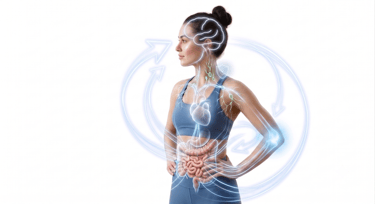
The GI tract functions as a central regulator of health, influencing immune function, metabolism, nutrient status, neurophysiology, and gut–brain communication. Gastrointestinal balance depends on the coordinated activity of microbial ecology, motility, barrier integrity, digestive processes, immune signaling, and the enteric and autonomic nervous systems. These systems operate in continuous bidirectional interaction to maintain GI homeostasis, with bacterial overgrowth in the small intestine illustrating how disruption extends beyond digestion to broader metabolic, immune, and neurophysiological changes. Understanding these connections supports a more integrated view of GI physiology.
The gut influences systemic physiology through integrated microbial, immune, neural, and endocrine signaling pathways that regulate barrier integrity, metabolic function, immune activity, stress responsiveness, and neurocognitive processes.
A 2024 review in Biomedicines examining microbial imbalances in the small intestine highlights their associations with metabolic, immune, neurological, and neuropsychiatric domains, underscoring the gut’s role in multisystem regulation. Accordingly, gastrointestinal dysfunction may extend beyond digestion, presenting with fatigue, nutrient insufficiencies, immune dysregulation, mood changes, and metabolic disturbances. Consistent with this systems-based perspective, recent literature—including a comprehensive review of related issues along with guidelines from the American College of Gastroenterology—frames this dysbiosis as having multisystem implications rather than a localized intestinal disorder.
Bacterial imbalances in the gut are associated with measurable alterations in small-intestinal microbial composition and metabolic activity. These changes may affect nutrient absorption, bile acid metabolism, immune activity, and gut–brain signaling pathways.
Clinically, a patient may present with bloating, abdominal discomfort, and altered bowel habits accompanied by fatigue, mood changes, and nutrient insufficiencies, reflecting broader effects on metabolic and neuroimmune physiology. This commonly co-occurs with alterations in motility, digestion, immune regulation, and autonomic function, reflecting broader physiological dysregulation.
Under normal physiological conditions, the small intestine maintains a relatively low-bacterial environment compared with the colon. This is maintained through coordinated digestive and motility mechanisms, including gastric acid secretion, bile flow, pancreatic enzymes, mucosal immune defenses, and the migrating motor complex (MMC), which clears residual luminal contents between meals.
When these protective mechanisms are compromised, microbial containment within the small intestine becomes less effective. This permits microbial expansion in regions that normally maintain lower bacterial density, particularly when motility is reduced, digestive secretions are insufficient, or mucosal immune function is impaired.
Advances in sequencing technologies have expanded understanding of the small-intestinal microbiome. A sequencing study evaluating the duodenal microbiome in individuals with microbial imbalances identified reduced microbial diversity together with enrichment of Proteobacteria, including Escherichia coli and Klebsiella species, providing insight into microbial alterations associated with the condition.
Building upon these findings, recent reviews examining modern concepts of small intestinal pathophysiology describe how alterations in microbial ecology may influence fermentation dynamics, bile acid metabolism, nutrient absorption, and mucosal immune activity.
These microbial shifts may contribute to gas production, nutrient malabsorption, and altered gastrointestinal function. Clinically, this may present as bloating, abdominal discomfort, and altered bowel habits, reflecting disruption of normal digestive physiology.
The migrating motor complex (MMC) is a key physiological mechanism that helps maintain small intestinal microbial balance. During fasting, the MMC generates cyclical waves of electrical and muscular activity that help move residual food particles, digestive secretions, and microbes distally toward the colon. The American College of Gastroenterology identifies impaired migrating motor complex activity as a key physiological factor that may contribute to microbial accumulation within the small intestine. MMC function represents a critical interface between autonomic regulation and gastrointestinal microbial containment.
Homeostasis in the small intestine also depends on adequate digestive secretions. Gastric acid helps limit bacterial survival entering from the upper GI tract, while bile acids have antimicrobial properties and help regulate microbial composition within the intestine.
Alterations in gastric acid production or bile flow can influence microbial ecology and digestive function. Gastric acid, bile acids, and pancreatic enzymes help shape the luminal environment of the small intestine, influencing both digestion and microbial ecology.
The GI tract is home to one of the body's largest interfaces between the external environment and the internal immune system. A widely cited review on intestinal permeability and barrier function described the intestinal barrier as a critical interface that allows selective nutrient absorption while limiting the translocation of microbes, toxins, and other luminal contents into systemic circulation.
This barrier is maintained through coordinated interactions among intestinal epithelial cells, mucus layers, immune defenses, and the resident microbiota. Factors including microbial imbalance, infection, medications, dietary patterns, a suboptimal inflammatory response and physiological stressors influence barrier integrity. As a selectively permeable interface, the intestinal barrier regulates host–microbe interactions while supporting nutrient absorption, immune surveillance, inflammatory regulation, and metabolic signaling.
The gastrointestinal system is in continuous bidirectional communication with the central nervous system through the gut–brain axis. This complex network involves the vagus nerve, autonomic nervous system (ANS), enteric nervous system (ENS), immune mediators, microbial metabolites, and endocrine signaling pathways that contribute to the regulation of stress, mood, cognition, and digestive function.
Communication within the gut-brain axis occurs in both directions. Bottom-up signals originating from the GI tract—including microbial metabolites, immune mediators, nutrient-derived signals, and neural input—can influence brain function and behavior. Conversely, stress physiology, autonomic activity, sleep quality, and circadian rhythm influence motility, digestive secretions, barrier integrity, immune activity, and microbial ecology.
The ANS plays a central role in coordinating GI function. Through coordinated sympathetic and parasympathetic signaling, it regulates motility, secretion, mucosal blood flow, immune activity, and intestinal permeability. Of particular importance is its influence on the migrating motor complex. Effective parasympathetic signaling supports coordinated digestive activity and motility, while chronic sympathetic activation may contribute to alterations in GI function. The ENS provides intrinsic local regulation of gastrointestinal motility and secretory activity, operating in continuous integration with autonomic and central nervous system inputs.
A review published in Frontiers in Psychiatry exploring the vagus nerve as a modulator of the brain-gut axis highlighted the vagus nerve as one of the primary communication pathways linking the GI tract and central nervous system. Gut-derived signals can influence brain regions involved in mood, stress regulation, and autonomic function, while brain-derived signals can alter motility, secretion, and immune activity.
This bidirectional relationship helps explain why digestive symptoms and psychological stress often influence one another clinically. While intestinal microbial imbalances can be multifactorial, impaired autonomic and enteric regulation may contribute to alterations in motility and microbial balance maintenance. Interventions that support autonomic resilience—including diaphragmatic breathing, mindfulness practices, restorative movement, and adequate sleep—may therefore complement broader strategies aimed at supporting GI function.
Emerging evidence has explored associations between these microbial imbalances and alterations in tryptophan metabolism, a biochemical pathway involved in serotonin synthesis and mood regulation. A clinical study investigating antimicrobial treatment, tryptophan metabolism, and mood in individuals with intestinal microbial imbalances reported improvements in mood-related symptoms alongside measurable changes in tryptophan metabolism, supporting ongoing interest in gut-microbiome influences on neurotransmitter pathways.
These observations suggest a potential connection between microbial ecology, tryptophan metabolism, and mood through immune and metabolic pathways involved in serotonin synthesis and signaling.
Beyond their effects on digestion, intestinal microbes produce a variety of biologically active compounds that participate in physiological signaling. Among the most extensively studied microbial metabolites are short-chain fatty acids (SCFAs), which participate in immune function, intestinal barrier integrity, inflammatory signaling, and cellular communication pathways.
A comprehensive review published in Nature Reviews Gastroenterology & Hepatology identified microbial metabolites as key mediators of gut–brain communication through neural, immune, endocrine, and metabolic pathways. Through these pathways, microbial metabolites influence energy metabolism, immune regulation, stress responsiveness, and neurophysiological function.
Small intestinal bacterial imbalances can be viewed as a manifestation of disrupted gastrointestinal ecosystem function involving alterations in motility, host defenses, microbial ecology, and host–microbe interactions. This represents a disruption in the coordinated processes that normally maintain microbial containment and functional balance within the small intestine.
The small intestine is the primary site of nutrient absorption. Alterations in microbial activity can interfere with the absorption of vitamin B12, iron, fat-soluble vitamins, and other nutrients involved in mitochondrial function, neurotransmitter synthesis, immune regulation, and cellular repair. These changes often contribute to broader systemic concerns.
Microbial imbalances in the small intestine illustrate how dysregulation within gastrointestinal physiology can influence multiple interconnected biological and gut–brain signaling processes. Motility, digestion, microbial composition, immune regulation, barrier integrity, and autonomic function work together to maintain gastrointestinal homeostasis. This perspective encourages practitioners to consider the underlying physiological processes shaping gastrointestinal function.
Gastrointestinal function reflects the coordinated activity of digestion, motility, nutrient absorption, barrier integrity, microbial ecology, and autonomic regulation. These processes are shaped through continuous communication among microbial, immune, endocrine, and nervous system pathways. Microbial activity, nutrient availability, immune signaling, and microbial metabolites continuously interact with stress physiology, autonomic tone, sleep quality, circadian rhythms, dietary patterns, and environmental exposures to shape gastrointestinal function. The GI tract also exhibits intrinsic circadian rhythms that influence motility, digestive secretions, epithelial repair, and microbial activity. Consistent sleep patterns, adequate sleep duration, and alignment with natural light-dark cycles may therefore support gastrointestinal microbial balance and broader physiological homeostasis.
Collectively, these interactions illustrate that gastrointestinal health emerges from the coordinated activity of microbial, immune, digestive, and neural systems.
Botanical compounds have also been investigated for their effects on gastrointestinal microbial ecology through diverse phytochemical mechanisms. A retrospective study comparing herbal therapies with the conventional remedy reported comparable rates of symptom improvement and breath test normalization among individuals receiving either approach. These findings suggest that multi-botanical interventions may represent an area of continued investigation for supporting gastrointestinal microbial balance and digestive function.
Research continues to highlight the interconnected relationship between the microbiome, intestinal barrier, immune system, and nervous system. The intestinal epithelium acts as an important interface between microbes and the host, helping regulate interactions that influence immune balance and overall physiology. Microbial-derived compounds, such as SCFAs, serve as signaling molecules that help shape immune responses, metabolic processes, and intestinal function. Through these pathways, microbial metabolites also contribute to communication between the gut and brain, influencing processes involved in nervous system function and stress regulation.
Reflecting an evolving understanding of the microbial environment in the small intestine, recent reviews examining pathophysiology suggest that the microbial imbalances may be better conceptualized as a disruption of small intestinal ecosystem function rather than bacterial overgrowth alone. More recent perspectives further expand on this model by emphasizing the complexity of small intestinal microbial ecology and the broader factors influencing intestinal microbial balance.
This perspective emphasizes the coordinated roles of motility, digestion, microbial ecology, barrier integrity, immune regulation, and neurophysiological signaling in maintaining gastrointestinal homeostasis. In clinical practice, these interconnected systems provide a framework for individualized assessment and intervention that extends beyond symptom management alone.
Gastrointestinal regulation reflects coordinated interactions among microbial ecology, motility, digestive secretions, immune signaling, and neuroendocrine pathways.
These imbalances are understood as a manifestation of an impaired small-intestinal ecosystem regulation rather than a standalone microbial overgrowth. It involves alterations in motility, digestive physiology, immune regulation, and host–microbe interactions.
Small-intestinal ecology is primarily regulated by:
Alterations in these systems can influence microbial distribution and fermentation patterns.
Gut–brain communication operates through bidirectional neural, immune, and metabolic pathways. Changes in microbial activity, immune signaling, stress physiology, and autonomic function can influence both gastrointestinal and neurophysiological regulation.
Microbial metabolites function as signaling molecules that influence immune activity, epithelial integrity, and neurophysiological regulation. Alterations in metabolite profiles may reflect shifts in microbial ecology and influence broader physiological signaling.
Related Biotics Research Products:


Submit your comment